What Nobody Tells You When You Ask for Page 1 on Google
Let me guess your #1 question when we start talking about a new website: “Can you get me to Page 1 of Google?”
It’s a fair question. Every business owner in the Capital District—whether you’re based in Albany or Saratoga—wants the same thing: to be found by customers. Many assume that simply launching a site guarantees a top-tier ranking. However, performance and structure matter far more than just “existing” online.
Here is the honest answer most people never hear: Getting to Page 1 isn’t just about having a website; it’s about having the right kind of website.
Think of it like your dream car..

Stock Is Cool. But Stock Doesn’t Win.
Imagine your dream car—a sleek sports car or a classic you’ve always wanted to restore. If it’s completely stock, it’s still a nice ride. People might glance at it as you drive by.
But if you want to turn heads in Saratoga? If you want “Neighbor Google”—the guy obsessed with performance—to rank you as one of the best in the area? You need the right upgrades. I’m not talking about neon underglow (please, don’t do that to your website). I’m talking about the technical components that drive performance and rankings.
The Performance Upgrades That Actually Matter
Lightning-Fast Loading — The Turbocharger
In a fast-paced market like Albany, people aren’t going to wait around. If your site is sluggish, visitors leave before they read a single sentence. Google tracks this behavior, making speed one of the most critical ranking factors. A fast site acts like a turbocharger for your online visibility.
Largest Contentful Paint (LCP)
Google measures how quickly your main content—usually your hero image or banner—appears. If this takes too long, users feel the lag immediately. To get this right, we use optimized images, modern file formats, and premium performance tools.
Smooth Code (No More Freezing)
Some sites look great but feel clunky. Buttons lag and pages hesitate. This happens when the underlying code blocks the page from loading efficiently. We tune your “engine” by optimizing First Contentful Paint (FCP) and reducing Total Blocking Time, making Google’s job easier.
Mobile-Perfect Design
Most people searching for a local business are doing it from their phone. Maybe while waiting in line for coffee in Saratoga. Maybe during lunch in Albany. If your site isn’t flawless on mobile, your ranking will suffer. Today, mobile optimization is a requirement, not an option.
Strategic Local Relevance
Google needs to know who you are and where you serve. Instead of just using vague terms like “web designer,” we use specific, localized phrases that match how your customers actually search, such as “web services in Saratoga Springs” or “local design help near me.” Vague sites stay hidden; specific ones rank.
Why Quality Requires Investment
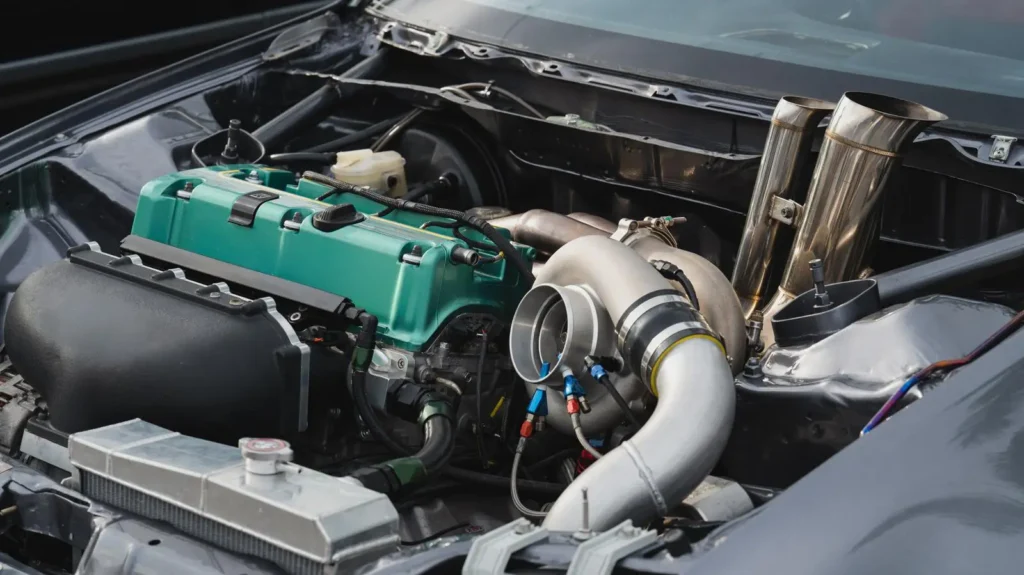
A fully A fully optimized site is a high-performance machine, and that requires real resources website requires real investment.
Things like:
- Premium image optimization tools
- Faster, high-performance hosting
- A Content Delivery Network (CDN) to serve your website quickly anywhere
- Professional development work to remove hidden slowdowns in the code
These aren’t luxury add-ons. They’re the difference between a website that competes for Page 1 and one that quietly sits on Page 4 where no one ever sees it.
These aren’t luxury add-ons. They are the difference between a site that competes for Page 1 and one that sits unnoticed on Page 4. A cheap template simply can’t compete with a site built for speed and reliability
The Real Question: Price vs. Performance
When business owners ask about web design pricing, I usually explain it this way: There are different levels of website performance, just like there are different levels of car performance.
You can have:
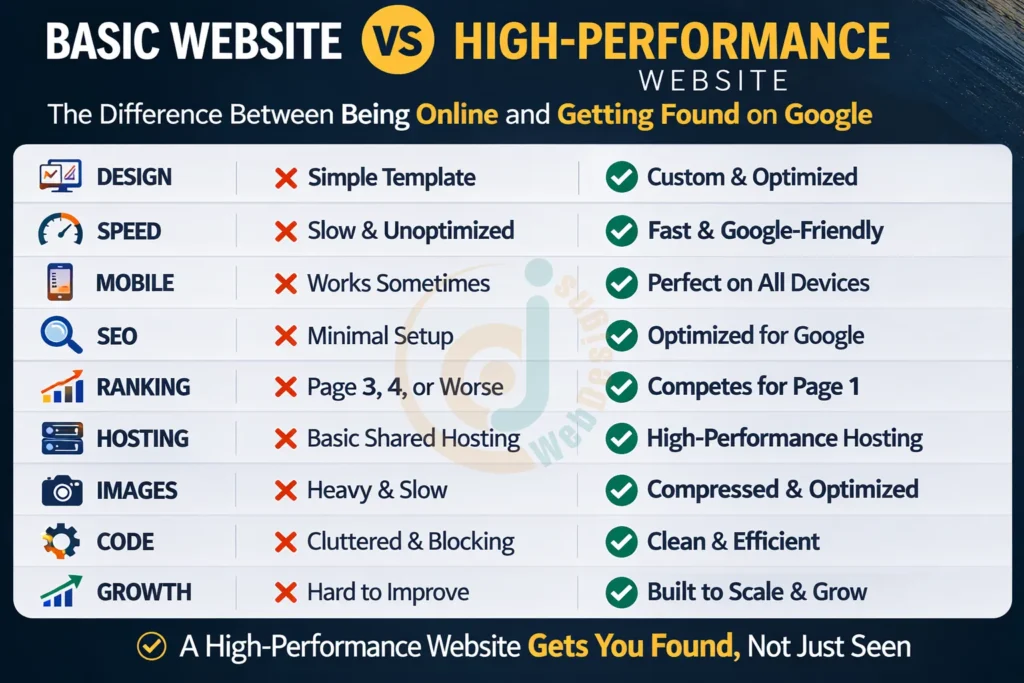
- A Basic Website: It exists, but doesn’t do much.
- A Well-Built Website: It represents your brand professionally.
- A High-Performance Website: Designed specifically to win search visibility.
Websites built purely for appearance are very different from those built for SEO. When a site is designed to compete, a massive amount of technical work happens under the hood.
A Quick Reality Check About Page 1
Even the best sites rarely hit Page 1 overnight. Google needs time to crawl and trust your content. A professional build gives you the foundation to compete, but rankings grow as Google sees your site consistently performing well. Anyone promising “instant” results is selling hype, not reality.
Why You Need a Mechanic, Not a Template
Anyone can buy a stock car, but if you want a custom machine that gets noticed when someone searches for local experts? You need a professional mechanic.
My goal isn’t just to hand over a URL; it’s to build a Page-1-caliber asset. Whether you need a full custom build or a strategic upgrade to your current site, the first step is identifying exactly what you need to win.
Ready to Upgrade from Stock?
f you’re ready to build a site that actually competes, let’s chat. Schedule a Website Strategy Call today. We’ll look at your current setup, identify performance gaps, and map out a smart path forward.
No pressure—just honest advice on building a website that works.